
 Boxes By Industry
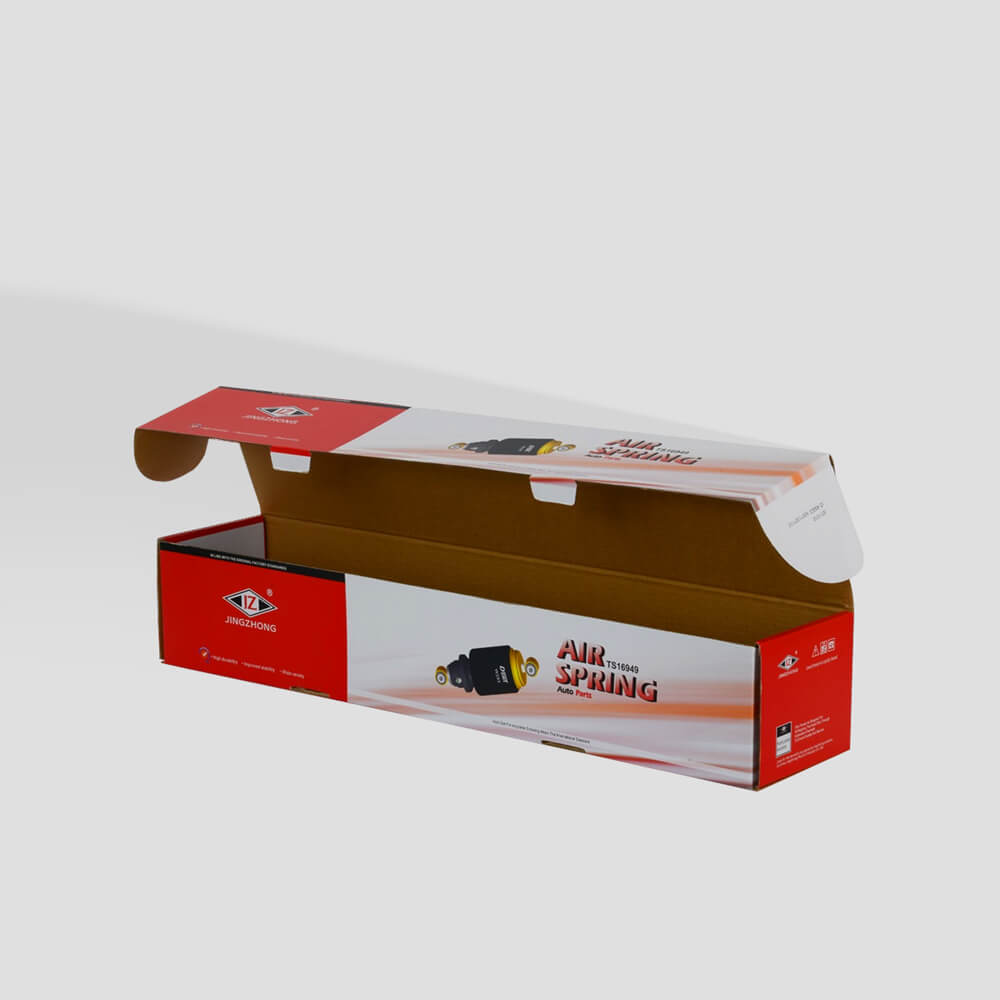
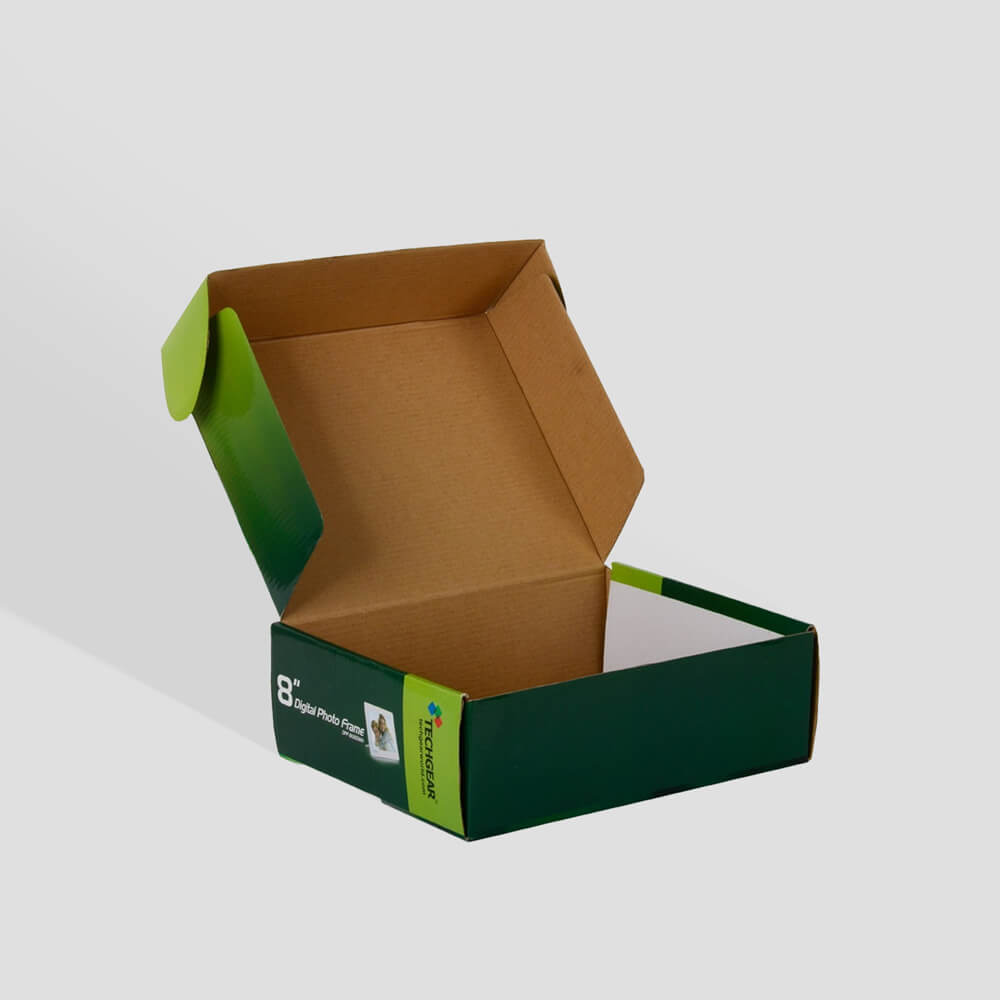
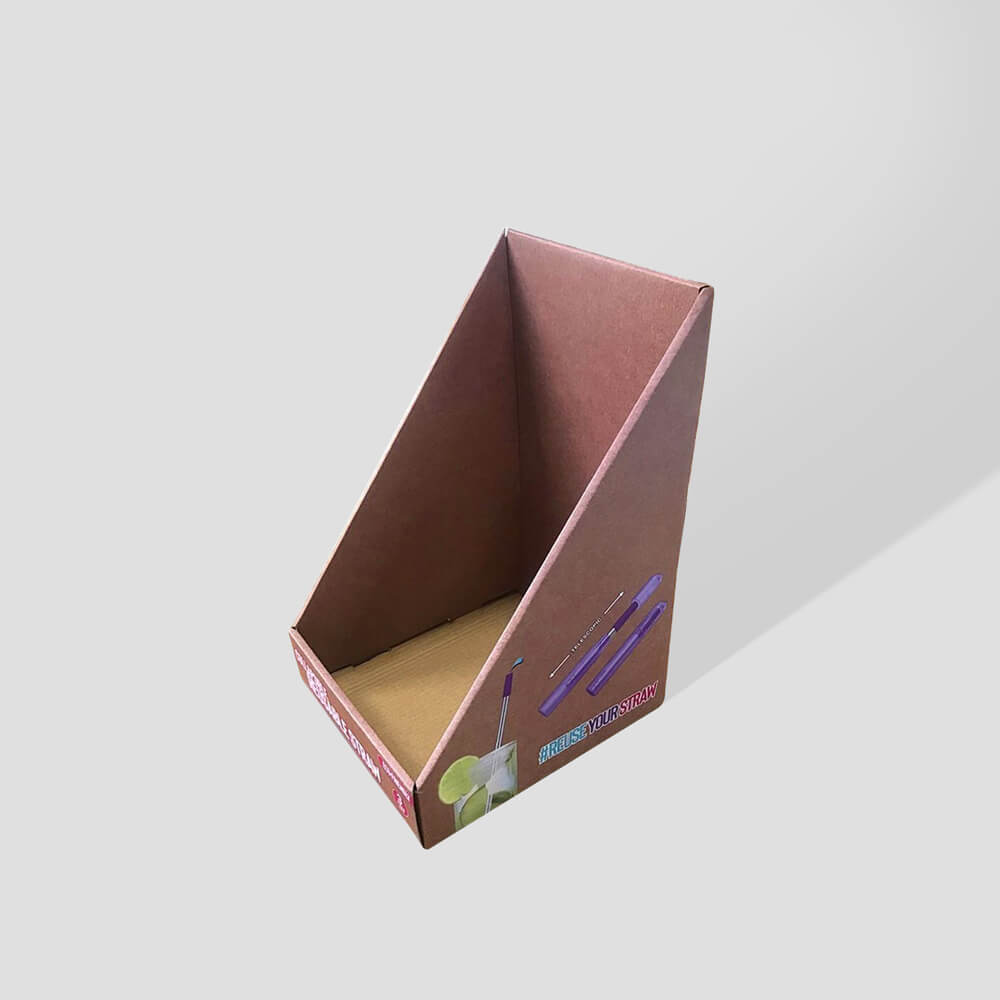
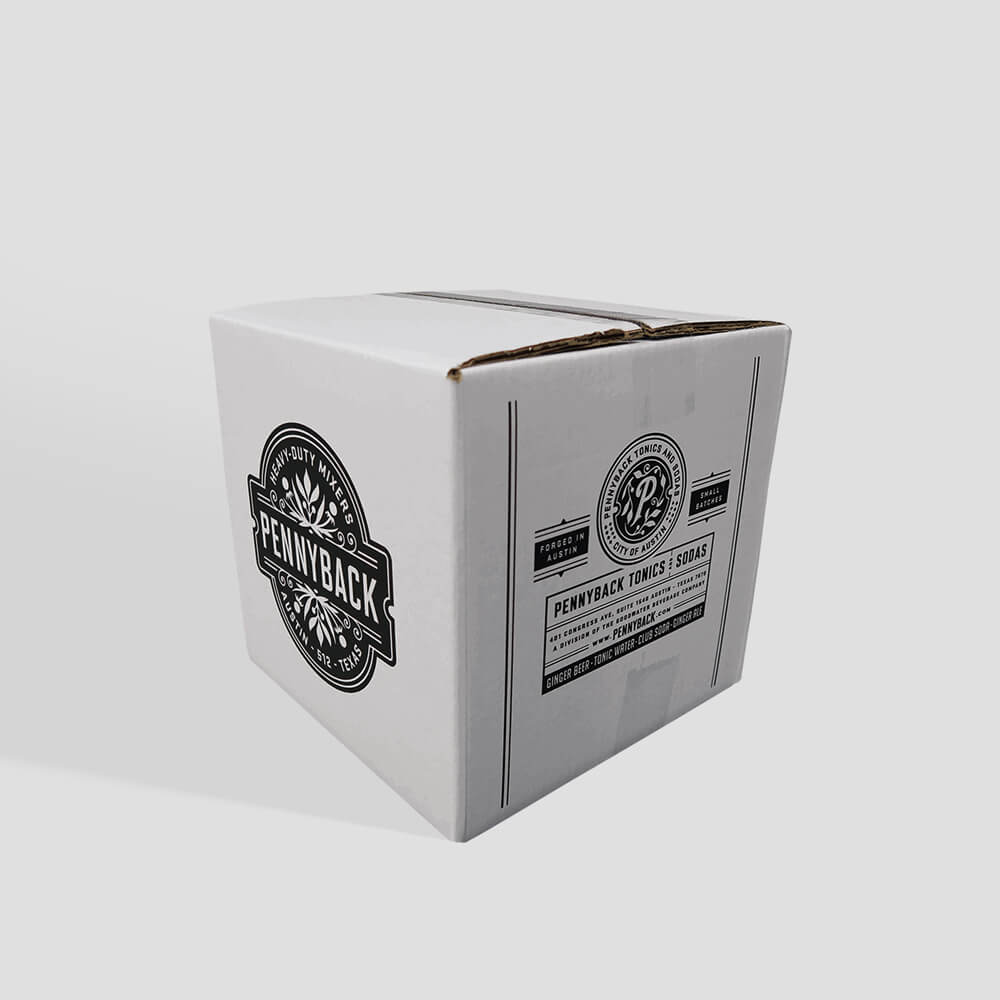
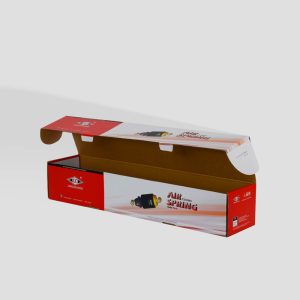
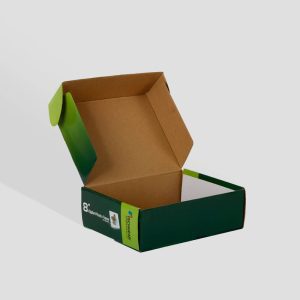
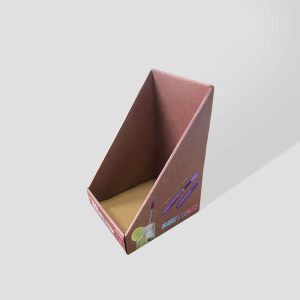
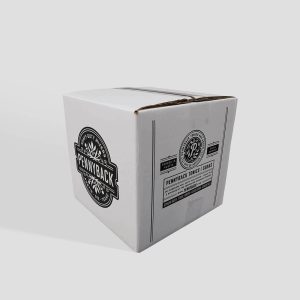
Pick the right board and the box does the hard work for you: the correct flute, wall count and liner let one carton survive a tall stack, a hard drop or a bumpy truck route without giving up a sharp print. Our custom corrugated boxes start with fluted board graded to your load, which we then convert into mailers, display trays, shippers or dividers carrying your artwork. Design help costs nothing, and shipping is free as well.
What Is a Corrugated Box?
Custom corrugated boxes are cut from layered paper in which a wavy sheet sits between flat facings. That simple build gives a lot of rigidity for very little weight.
- Linerboard faces: the flat outer and inner sheets, chosen by basis weight, which describes how many pounds of paper make up one thousand square feet.
- Fluted medium: a paper web that the corrugator softens with steam, presses into arches between ridged rollers and bonds to the liners with starch glue.
- Arches as columns: in a finished box the flutes normally stand upright in the side walls, so they act like rows of tiny pillars under a stacked load.
- Wall count: one fluted layer makes single wall board, two layers with a liner between them make double wall, and each extra layer adds crush resistance.
- Paper fiber throughout: board printed with ink alone and kept free of plastic film goes into ordinary cardboard recycling where a local program accepts it.
Flute Profiles for Custom Corrugated Boxes
A flute letter tells you how tall and how tightly packed the arches are. Small, dense flutes print well and fold crisply, while tall, open flutes cushion better and carry more weight.
| Flute | Rough caliper | Arches per foot | Where it fits best |
|---|---|---|---|
| F-flute | Near 1/32 inch | Roughly 125 | Slim retail cartons, cosmetic sets and small premium mailers where the box should feel close to a folding carton |
| E-flute | Near 1/16 inch | Roughly 90 | Printed mailers, counter display trays and product boxes that need neat folds and a smooth face |
| B-flute | Near 1/8 inch | Roughly 47 | Mid-weight shippers and die-cut inserts that take knocks from hard-edged products |
| C-flute | Near 5/32 inch | Roughly 39 | Taller cases and cartons that ride in stacks, where the higher arch adds top-load strength |
| BC double wall | Near 1/4 inch | B and C combined | Dense, heavy or breakable goods and floor displays that must carry stock |
Figures differ a little from mill to mill. Your proof lists the flute we will run, so you know exactly which board you are approving.
Single Wall or Double Wall?
Most orders run in single wall, and that covers a wide range of products. Double wall earns its extra cost in a handful of clear cases.
- Stay with single wall: for light to medium goods, mailers that travel alone, retail packs and boxes that are opened soon after delivery.
- Move to double wall: when the packed box is heavy, when the contents are glass or ceramic, or when cartons will sit in a warehouse under several others for weeks.
- Think about the corners: double wall resists corner crush and edge dents much better, which matters for goods that are handled many times.
- Mind the folds: thicker board needs wider score lines, so tight tuck flaps and fine die-cut details are easier on single wall E or B.
ECT and Burst Ratings Explained
Two lab tests are used to grade board, and they answer different questions about how a box will behave.
| Rating | How it is measured | Written as | Most useful when |
|---|---|---|---|
| Edge crush test (ECT) | A short strip stands on edge and is squeezed from above until it folds | Pounds per inch of edge, for example 32 ECT | Boxes are stacked on shelves or pallets and top-load strength is the worry |
| Mullen burst test | A rubber diaphragm pushes against the flat face until the board ruptures | Pounds per square inch, for example 200# test | Boxes are thrown, dropped or packed with hard, pointed contents that could punch through a wall |
As a loose guide, 32 ECT and 200# test single wall sit in roughly the same class. Many boxes carry a round box maker’s certificate on a bottom flap that states the rating and the load limits it was built for. Describe the contents and how the boxes travel, and our team picks a grade to match.
Box Styles We Make in Corrugated Board
Corrugated is a material, so the style is chosen separately. These are the shapes buyers most often request in custom corrugated boxes.
- Mailers: one-piece boxes with tuck-in lids that close without tape, such as a roll end front tuck box in E-flute with print inside and out.
- Shippers: taped outer cartons in B, C or double wall; for slotted cartons built around each parcel, see our custom size shipping boxes.
- Display trays: counter units with a raised printed header card and a tear-away lid, so the case that arrives at the store goes straight onto the counter. A shelf-ready tray of this kind also suits grocery goods such as retail pasta packaging, which can be unloaded onto the shelf in one move.
- Partitions: slotted strips that lock together into a grid, giving each bottle, jar or tin its own cell.
- Two-piece and lidded boxes: a deep base topped by its own cover, popular for keepsake and gift kits.
- Die-cut inserts: folded corrugated platforms with cut-outs that hold products in a fixed position.
Materials
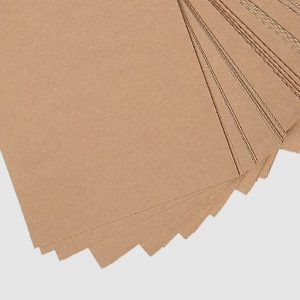
Kraft Liner
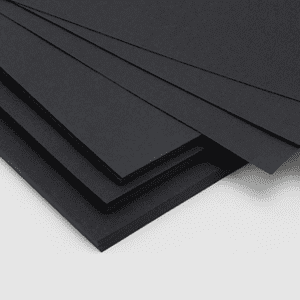
Unbleached brown paper on the face. It is the toughest-looking option, hides marks from handling and suits one or two strong inks.
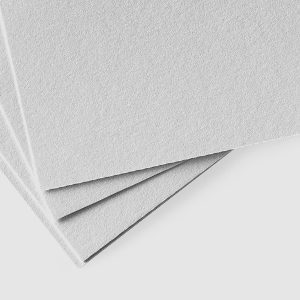
Mottled White Liner
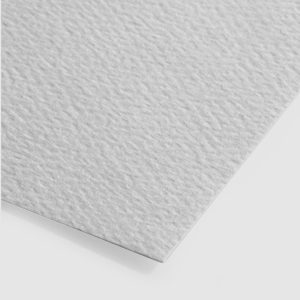
A thin bleached layer over a brown base gives a light, slightly cloudy surface. Colors read brighter than on kraft without the cost of full white board.
Bleached White Liner
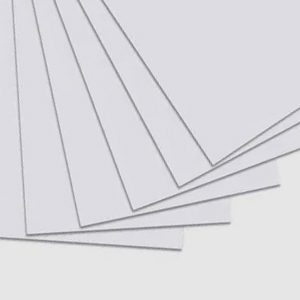
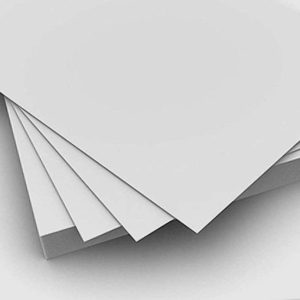
A clean, even white face, available coated for crisper dots. Pick it for detailed artwork, pale brand colors or a white interior.
The inner liner can differ from the outer one, so a brown box can still open to a white inside. If the box will hold kraft paperboard cartons instead of loose goods, our kraft paperboard boxes show the lighter board used for those inner packs.
Printing Methods on Corrugated
Ink behaves differently on fluted board than on flat card, so the print method follows the artwork and the run length.
Printing
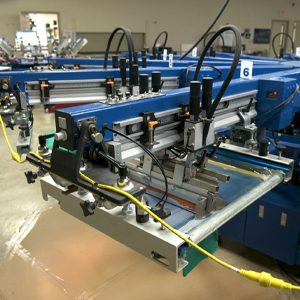
- Flexographic print: flexible relief plates lay down water-based ink in solid spot colors, a strong match for wordmarks, icons and bold line art.
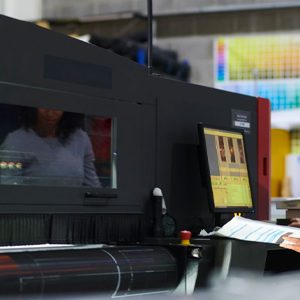
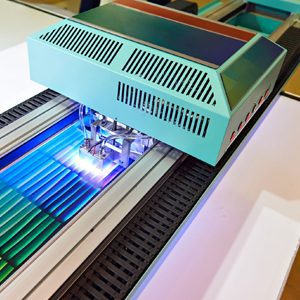
- Digital inkjet: full color sprayed straight onto the board with no plates, handy for short runs, test batches and several designs at once.
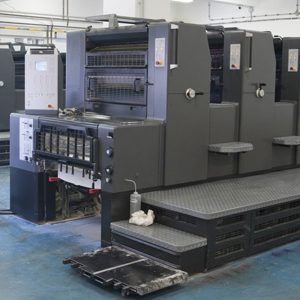
- Litho-lamination: artwork is printed offset on a thin paper sheet, which is then glued over the fluted board for photo-grade images.
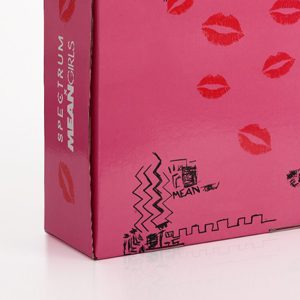
- Inside print: a second print pass on the inner liner for messages, patterns or care instructions.
Finishing
- Varnish or aqueous coat: a clear layer that helps printed faces resist rubbing in transit.
- Matte or gloss film: laminated over litho sheets for a retail look and extra scuff protection.
- Spot UV, foil and raised logos: accents that need the smooth surface a litho-laminated face provides.
- Die-cut features: hand holes, tear strips, viewing windows and perforated display fronts.
On thin litho sheets laid over tall flutes, faint ridges called washboarding can show through. That is why we usually pair litho-lamination with E or F-flute, and why the proof notes which board sits under the print.
Who Orders Custom Corrugated Boxes
- Subscription and online brands: custom corrugated boxes in printed E-flute, opened at home as part of the brand experience for apparel, skincare and gadgets. Breakfast startups post their cereal packaging to subscribers inside these mailers too.
- Pet supply makers: cases that carry bags of treats and kibble, while the shelf pack itself comes from our pet food packaging line.
- Cosmetics distributors: master cases holding a dozen or more retail cartons, for example straight tuck end boxes lined up in rows.
- Dispensary and wellness brands: countertop trays in E-flute, often paired with CBD display boxes for small items at the register.
- Beverage and candle brands: double wall cartons with partitions for glass bottles and jars.
- Electronics and parts suppliers: B-flute cartons fitted with cut-out platforms so devices, cables and spare parts cannot slide around.
How to Order Custom Corrugated Boxes
- Request a quote: share the box style, inside dimensions, product weight, flute or wall preference if you have one, liner color and quantity.
- Send your artwork: drop vector logos and graphics onto the flat dieline from us, or lean on our free design support to arrange every panel.
- Approve the proof: confirm the panel layout, the flute and liner, and the chosen printing process, then sign off.
- We produce and ship: turnaround is 8 to 12 business days, and shipping is free.