
 Boxes By Industry
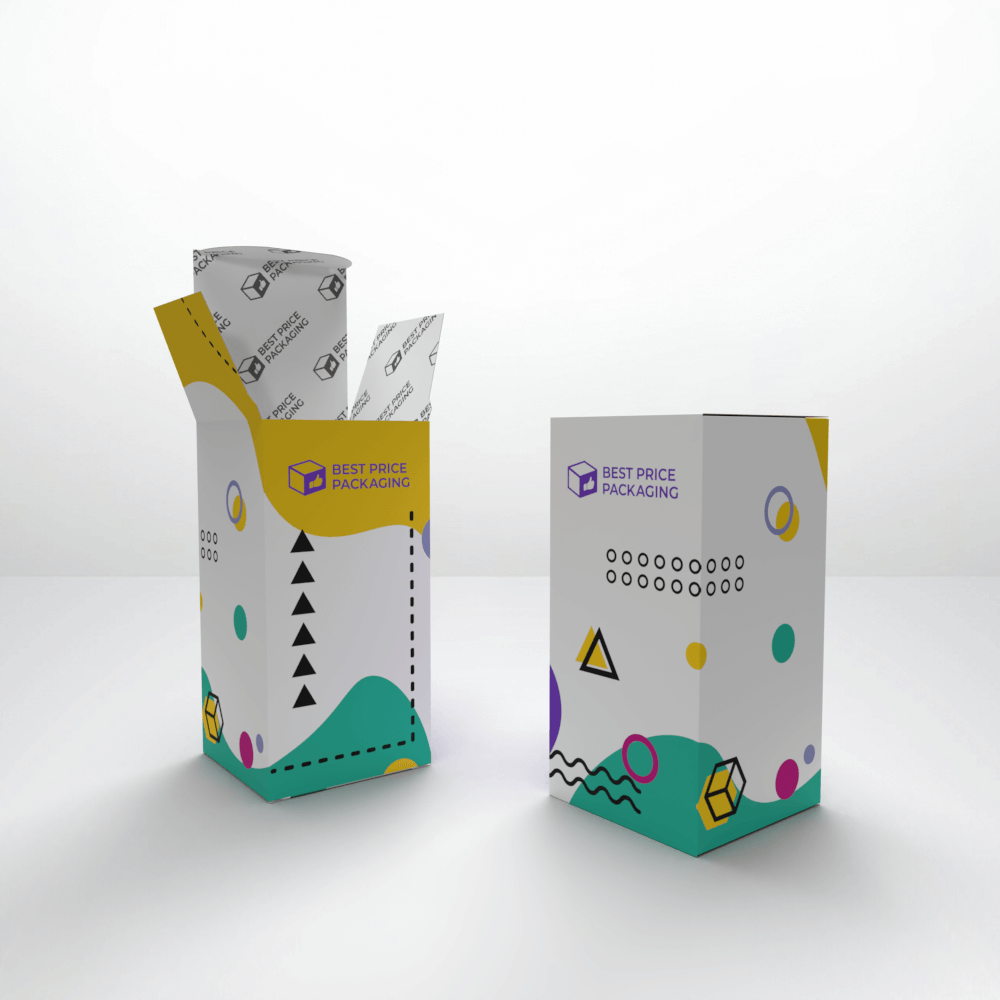
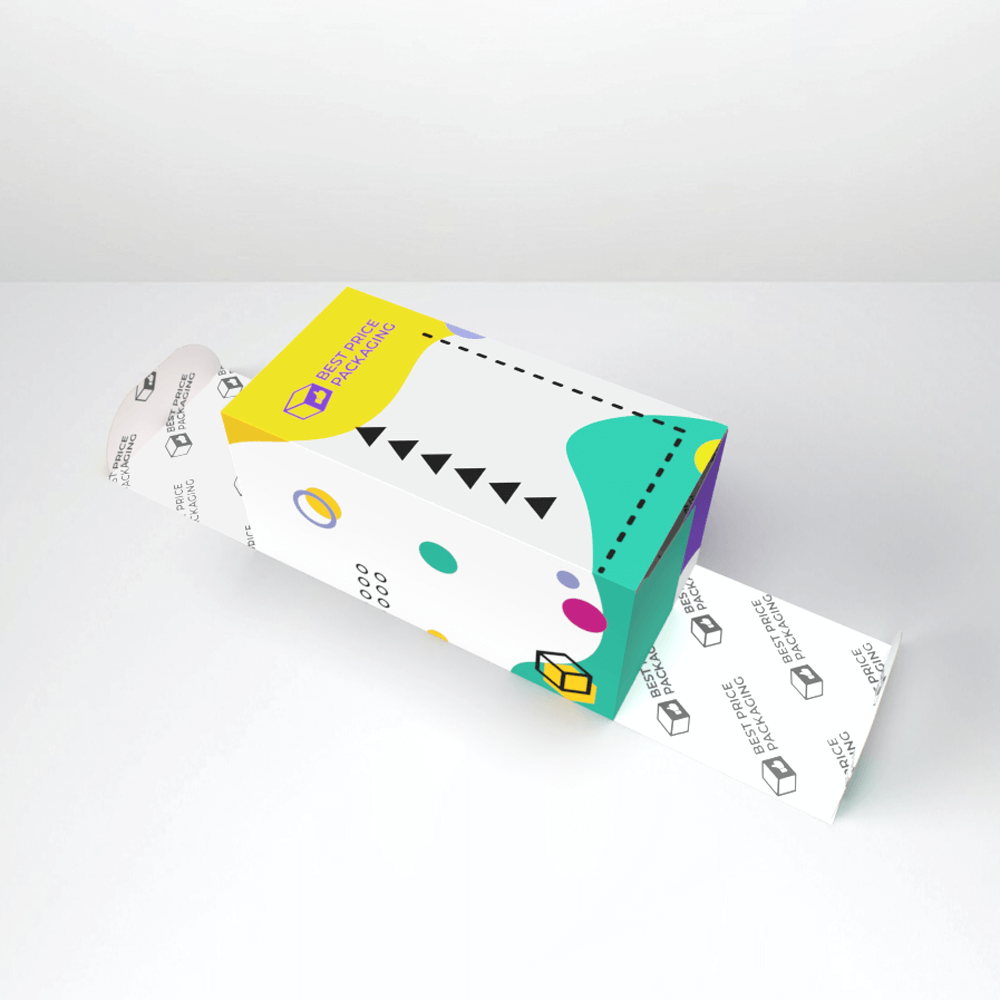
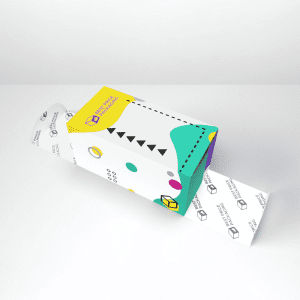
Custom straight tuck end boxes keep the face of your carton free of flaps from top to bottom, so your artwork reads as one clean panel on the shelf. Both closures hang from the back panel and fold forward to tuck in, which lets the carton open like a lid at either end. Best Price Packaging builds them to your inside dimensions, with free design support and free shipping.
What Is a Straight Tuck End Box?
Think of a printed paperboard carton closed top and bottom by a tucked flap, where the two flaps share one hinge panel. Quotes and dielines often shorten the name to STE.
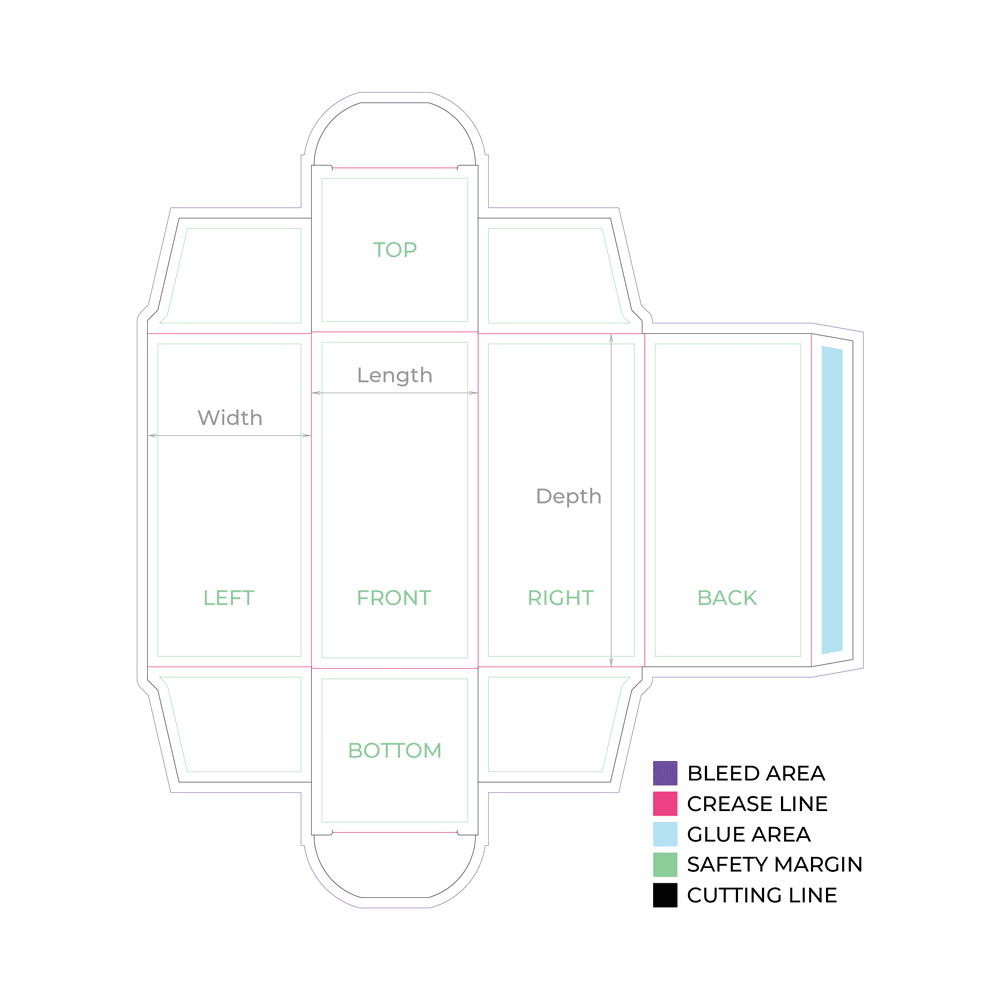
- One hinge panel: the top closure and the bottom closure are both joined to the back panel, so the two ends are mirror images.
- Lid at both ends: lifting either closure swings it back on its hinge, and the open end faces the shopper.
- Free front panel: no closure is attached to the face, so its upper and lower edges stay open for a logo, photo or window.
- Dust flaps underneath: at each end, the two narrow side flaps fold inward before the closure, keeping dust out and supporting the tongue.
- Reclosable: the tongue slides out and back in, so the customer can shut the pack between uses. That is one reason tuck lids show up on cereal box packaging that gets opened every morning.
What the Back-Hinged Layout Does for Your Pack
Putting both hinges on one panel is a small change on the dieline that shows up in how the carton looks, opens and prints.
- Tall windows: because the front panel carries no hinge at either end, a die-cut window can run close to its top and bottom edges.
- Same motion at both ends: a packer closes the base and the lid with the same forward fold, which keeps hand packing simple.
- Matching end panels: both closures face the same way, so a logo printed on the top and on the base can be set to read in the same direction.
- A little more board: with both closures growing out of one panel, the flat blanks do not interlock as tightly on the press sheet as reverse tuck blanks, so board use per carton can be slightly higher.
Straight Tuck vs Reverse Tuck vs 1-2-3 Bottom vs Auto Bottom
Most retail cartons use one of these four styles. Product weight decides the base, and the look of the front decides between the two tuck styles.
| Style | Bottom end | Suits | Pick it if |
|---|---|---|---|
| Straight tuck end | Tuck closure hinged at the back | Light items | The face must stay clear or carry a tall window |
| Reverse tuck end | Tuck closure hinged at the front | Light items | You want the most sheet-efficient tuck carton |
| 1-2-3 bottom | Four interlocking flaps folded by hand | Medium and heavier items | You pack by hand in modest runs |
| Auto bottom | Pre-glued flaps that set themselves | Heavier items | You pack large volumes and need speed |
The only structural difference between the two tuck styles is the panel that holds the base closure. If you want the end flaps to tuck in from opposite sides, see our reverse tuck end boxes.
A heavier product needs more than a tucked base. Hooked flaps let a 1-2-3 bottom box carry more weight without glue.
Packing speed matters on long runs. For a product too heavy for a tucked base, choose an auto bottom box, which squares up and locks its own base as you open it.
Made for Light Products
Nothing locks the bottom of a tuck carton; the tongue simply wedges behind the front panel. That makes straight tuck end boxes a good fit for small, low-weight goods such as a perfume bottle with its cap, a bar of soap, a deck of cards or a pair of earbuds. A single eye pencil is another light fit, and our eyeliner pencil packaging shows that carton with a sharpener pocket.
Glass jars, full bottles of liquid and dense metal parts can push a tuck open. If your item falls into that group, we will weigh up slit locks, a stiffer board or one of the locking bases above.
Window and Hang Tab Add-Ons
- Front window: a cut-out on the face, left bare or closed with a clear film patch, that can use most of the panel’s height.
- Hang tab: a raised panel with a round hole or euro slot for peg hook displays.
- Paperboard insert: a die-cut cradle that holds a dropper bottle or a set of items in position.
- Tear strip: a perforated band that has to be torn on first opening. A carton with both ends glued instead of tucked is a seal end box.
How to Size a Straight Tuck End Box
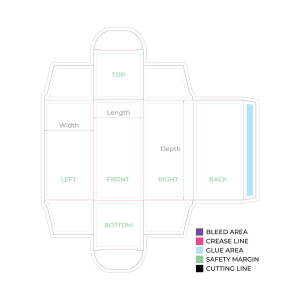
We build each dieline from inside dimensions, which is the space your product gets, not the outside of the folded carton.
- Length: the wider side of the opening, measured left to right across the front panel.
- Width: the narrower side of the opening, measured from front to back.
- Depth: the height of the carton, from the bottom closure to the top closure.
Measure the product at its widest points, counting caps, pumps and any insert, and leave a little room so it slides in without force. We allow for the board thickness ourselves, so the folded box will measure slightly larger outside than the numbers you send.
Materials
Board choice follows two things: what the product weighs and how roughly the carton will be handled.
SBS Paperboard
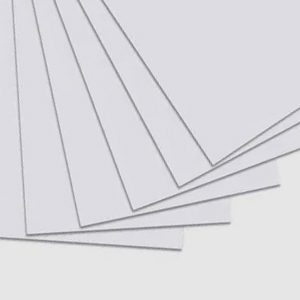
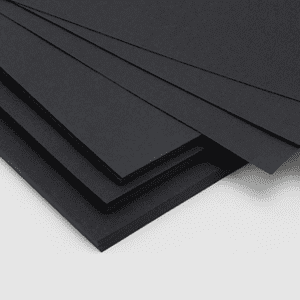
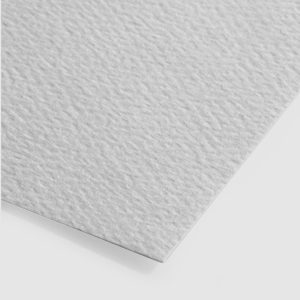
Solid bleached sulfate board, white through its whole thickness. Cut edges stay white, and coated grades reproduce skin tones and small print cleanly for cosmetic and wellness brands.
Kraft Paperboard
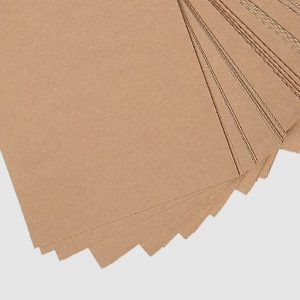
Brown board with visible fibers that needs little ink to look finished. A one- or two-color logo on kraft keeps the pack simple and natural.
E-Flute Corrugated
Corrugated with a very fine flute, printable like paperboard but much stiffer. Use it for heavier tuck cartons or packs that travel without a shipper. When the pack has to go out alone, a corrugated tuck front box locks shut without tape.
If you are torn between two boards, a product weight and a photo of the item are enough for us to recommend one.
Printing and Finishing
Artwork can wrap the four side panels of your straight tuck end boxes and continue onto both closures and the dust flaps.
Printing
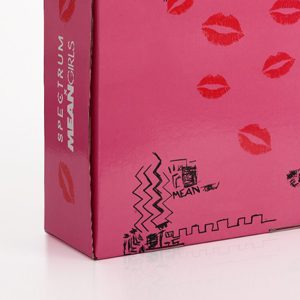
- Full color CMYK: every face in four-color process.
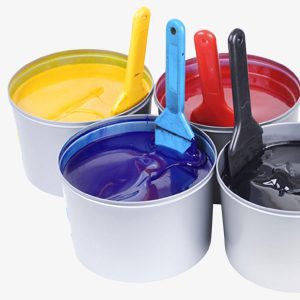
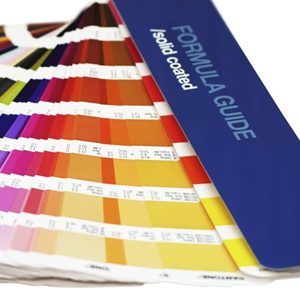
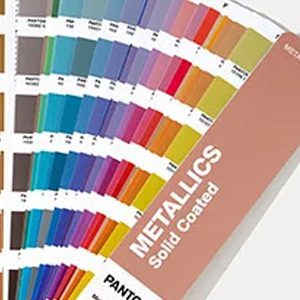
- Pantone matching: a set ink for an exact brand color.
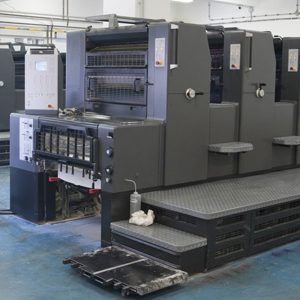
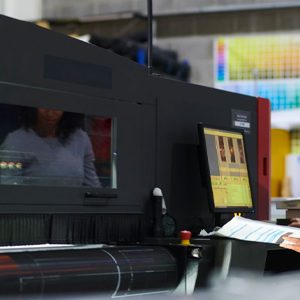
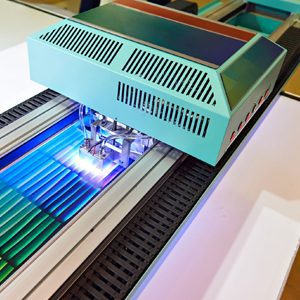
- Offset or digital press: matched to how many cartons you order.
- Inside printing: a pattern or note under the lid.
Finishing
- Gloss or matte lamination: shields the print from handling.
- Soft touch film: a suede-like surface that mutes glare.
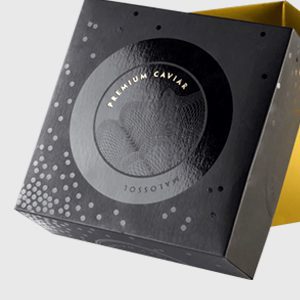
- Spot UV: a shiny accent on a chosen area.
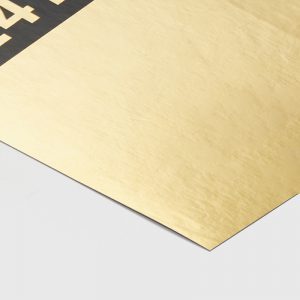
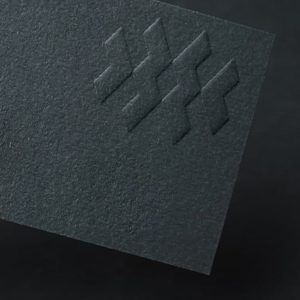
- Foil stamping and embossing: metallic lettering or a logo you can feel; debossing presses it in.
Products Packed in Straight Tuck End Boxes
- Lip and eye makeup: lipsticks, liners and mascaras, like the cartons in our lipstick box packaging range.
- Fragrance: capped bottles and roll-ons, as shown in our perfume boxes.
- Bath and body: bar soap, bath salts and travel kits, similar to our soap boxes.
- Nail care: polish bottles and nail kits, as in our nail polish boxes.
- Pharmacy and wellness: supplement bottles, ointment tubes and test kits.
- Food and gifts: tea, candy, candles, playing cards and pens. A short, wide tuck carton with a front window also serves as a single donut box at the bakery counter.
How to Order Custom Straight Tuck End Boxes
- Request a quote: let us know the product, its inside measurements, its weight and how many cartons you need.
- Send your artwork: place it on the dieline we send, or let our free design support set it up for you.
- Approve the proof: confirm the window position and the text direction on both closures in the flat view proof before printing.
- We produce and ship: turnaround is 8 to 12 business days, and shipping is free.