
 Boxes By Industry
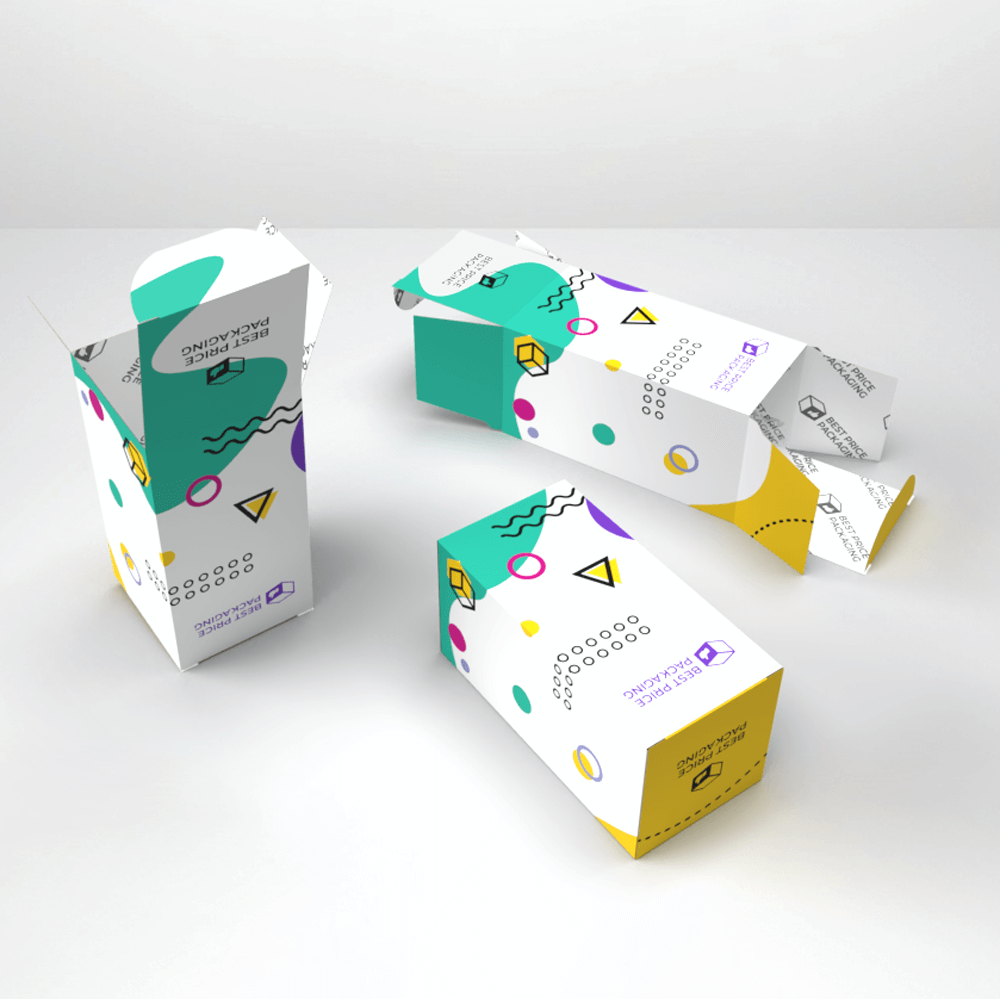
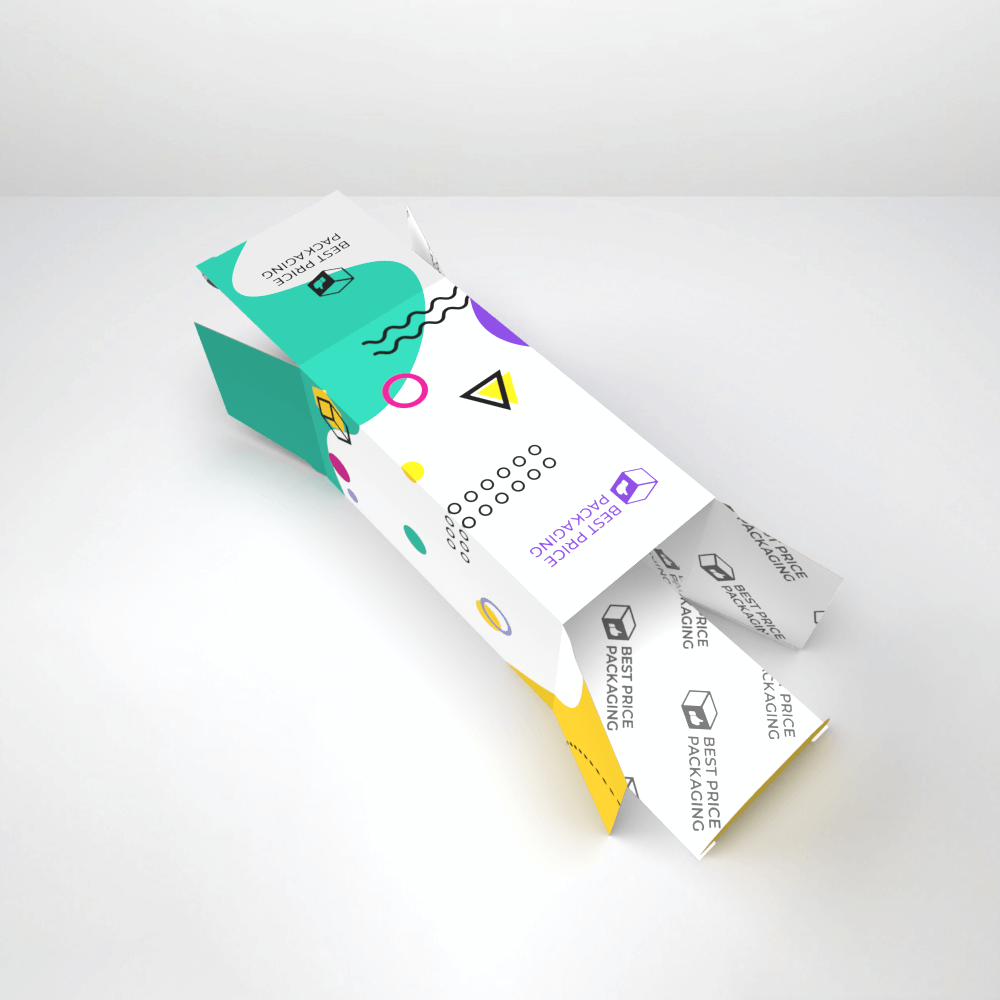
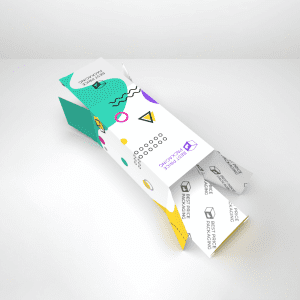
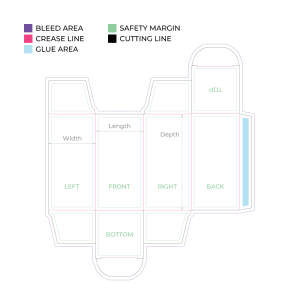
Reverse tuck end boxes give a light retail product a tidy, fully printable carton that shuts at both ends with a simple folded flap. The lid tucks in from the back and the base tucks in from the front, so nothing interrupts the artwork on the face of the pack. Best Price Packaging makes custom reverse tuck end boxes to the size of your product, with free design support and free shipping.
What Is a Reverse Tuck End Box?
It is a paperboard folding carton with a tuck closure at the top and another at the bottom, arranged so the two flaps point in opposite directions. Printers also call it an RTE box or a reverse tuck carton.
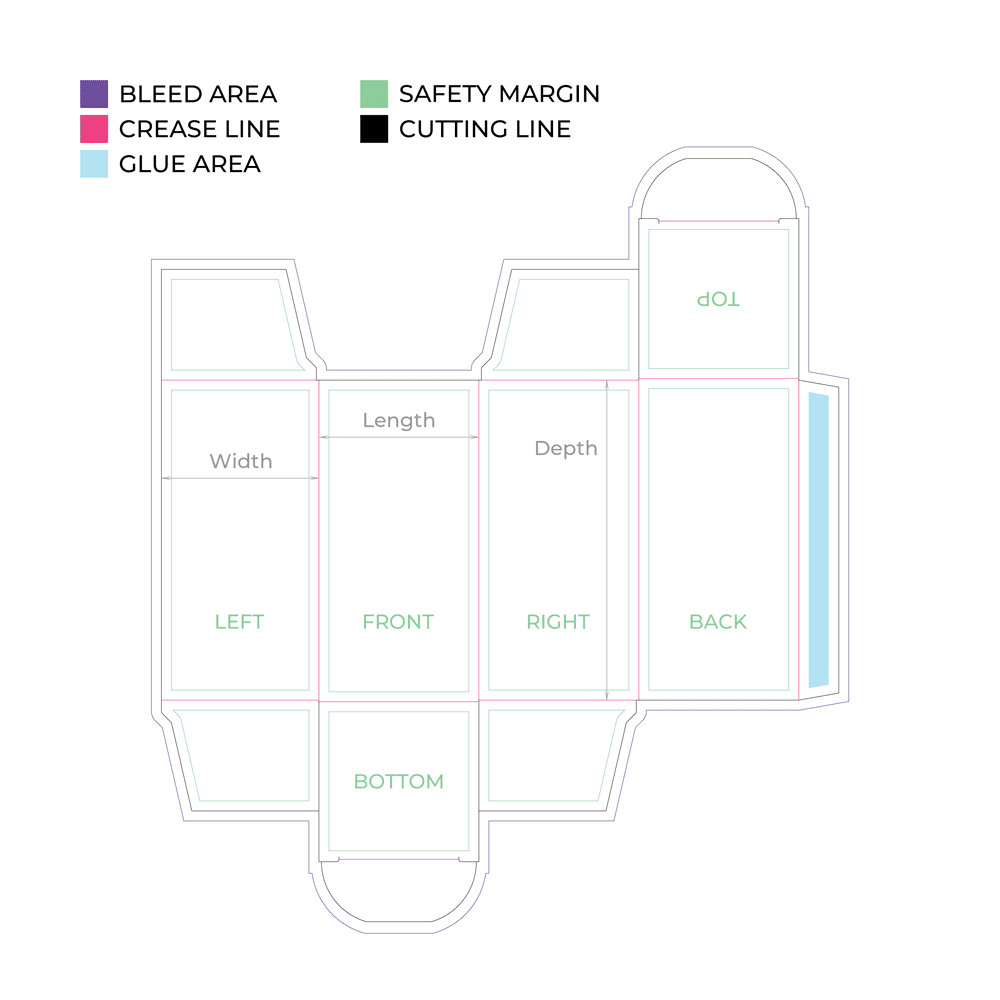
- Opposite hinges: the top closure is joined to the back panel and the bottom closure to the front panel.
- Dust flaps at each end: two small side flaps fold in first and give the tuck flap something to rest on.
- Friction or slit lock: the tuck holds by friction, and small slits at the shoulders can be cut in for a firmer catch.
- One glued joint: the side seam is glued before delivery, and the pack is folded flat for storage.
Why the Two Flaps Tuck from Opposite Sides
On reverse tuck end boxes, placing the closures on different panels has practical effects at the packing table and on the shelf.
- Machine packing: the style is widely used on automatic cartoning lines, which square the carton, close one end, push the product in and close the other.
- Hand packing: a packer tucks the base, drops the item in from above and closes the lid, with no tape gun on the bench.
- Clear face for artwork: the lid is hinged along the back edge, so nothing folds down over the front panel and the whole face stays free for your design.
- Less board waste: with the flaps on opposite edges, the flat blanks nest closely on the printed sheet.
Reverse Tuck vs Straight Tuck vs French Reverse Tuck
All three are tuck end cartons. What changes is the panel each closure is hinged to, which decides how the box opens and how it looks on display.
| Style | Top flap hinged to | Bottom flap hinged to | Typical choice for |
|---|---|---|---|
| Reverse tuck end box | Back panel | Front panel | Everyday retail cartons for light products |
| Straight tuck end box | Back panel | Back panel | Cartons with a large window in the front panel |
| French reverse tuck | Front panel | Back panel | Designs where the lid should swing forward when it opens |
In the French reverse tuck style, the bottom closure is hinged at the rear, which is the mirror image of the layout above. Printers do not all use these names the same way, so we confirm the lid direction on your proof. Tell us which way the lid should open, and we will set up the dieline for your reverse tuck end boxes to match.
If the pack must be tamper evident, glued ends are the safer choice. Our seal end boxes close that way.
Made for Light Products
A tucked base is held shut by the fold and the dust flaps alone, so reverse tuck end boxes suit items that are light for their size. Think of a tube of cream, a lipstick, a pack of tea bags or a phone cable. A single bottle of nail lacquer is light enough as well, which is why many of our nail polish packaging boxes close this way.
Heavier contents are better served by a pre-glued auto lock base.
A hand-folded lock bottom box is the lower-cost option.
Window and Hang Tab Add-Ons
A reverse tuck end box takes the common add-ons without changing its basic shape. Slim cosmetics use them often, and our eyeliner packaging boxes can add a card insert that holds a sharpener beside the pencil.
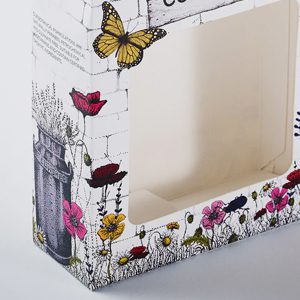
- Die-cut window: an opening in the front panel, left open or backed with clear film, lets shoppers see the product before they buy.
- Hang tab: an extra top panel with a punched hole lets the carton hang on a peg hook as well as stand on a shelf.
- Card insert: a folded insert keeps a bottle, tube or device from sliding around.
- Perforation: a tear line that makes the carton easy to open or lets one panel lift away as a dispenser.
- Inside print: a message or pattern that appears when the lid is lifted.
For a pack built mainly around the hook, see our hanger boxes.
Materials
Board choice for reverse tuck end boxes depends on what goes inside and how far the carton travels.
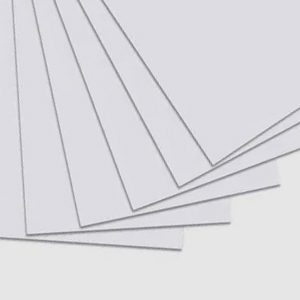
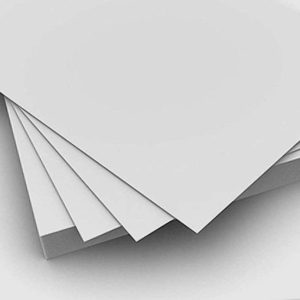
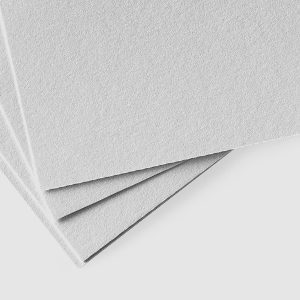
SBS Cardstock
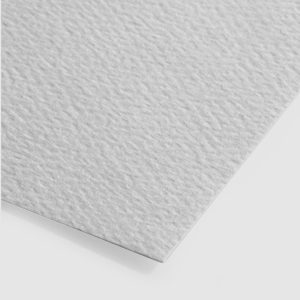
A bright white board with a smooth face that prints photos and small type crisply. It is the usual pick for cosmetic and health cartons.
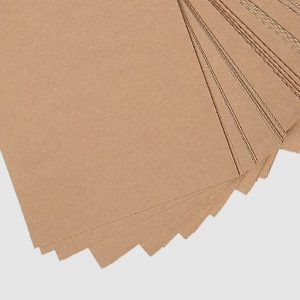
Kraft Board
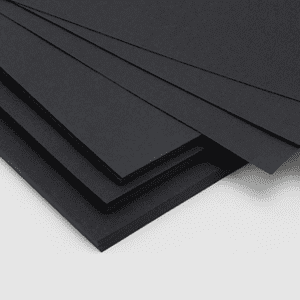
Unbleached brown board with a natural look. It is also available in white or black for brands that want an earthy feel with more contrast.
E-Flute Corrugated
A thin fluted board that adds crush resistance. Choose it when the carton goes into the mail without an outer box.
Tell us the size and weight of your product, and we will recommend a board thickness for it.
Printing and Finishing
Every outer panel of a reverse tuck end box can carry print, the tuck flaps included.
Printing
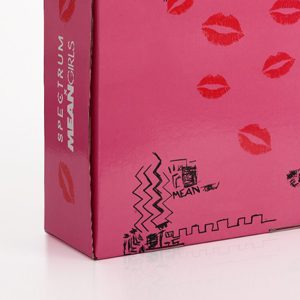
- CMYK: full-color art across all six faces.
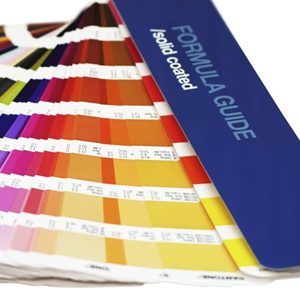
- Pantone (PMS): a brand color matched to its swatch.
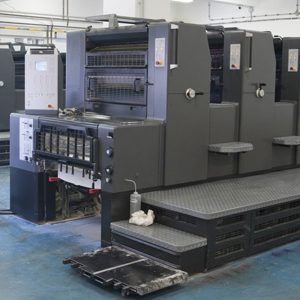
- Offset or digital: picked to suit your quantity.
- Outside and inside: print on the inner surface as well.
Finishing
- Matte or gloss lamination: protects the print from scuffs on the shelf.
- Soft touch: a smooth surface that feels premium in the hand.
- Spot UV: shine on a logo or a product name.
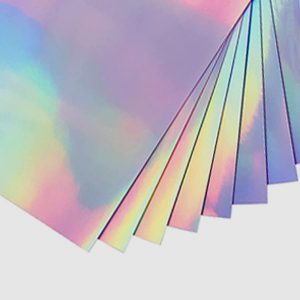
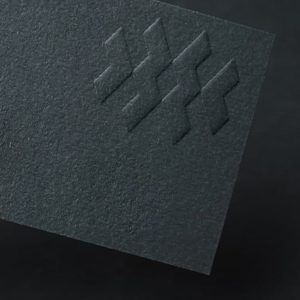
- Foil stamping, embossing, debossing: metallic or raised detail for gift and beauty lines.
Where Reverse Tuck Boxes Are Used
Reverse tuck end boxes appear in nearly every store aisle where small, light goods are sold.
- Skincare: tubes and small bottles of lotion, serum and hand cream, like those packed in our lotion boxes.
- Makeup: foundation, concealer and primer, as in our foundation boxes.
- Health and pharmacy: vitamin and supplement bottles, blister strips, ointment tubes and sample sachets.
- Food and drink: tea bags, coffee pods, chocolate bars and spice packets. One frosted cupcake is light enough for a tuck carton as well, and our individual cupcake boxes add a card ring and extra height for the swirl.
- Electronics accessories: cables, earbuds, chargers and memory cards.
- Gifts and stationery: playing cards, pens, small candles and soap bars. Tobacco brands also use tuck cartons for 10-pack outers and blank cigarette boxes.
How to Order Custom Reverse Tuck End Boxes
- Request a quote: send the inside length, width and depth, the product weight, the board you prefer and the quantity.
- Send your artwork: we supply the dieline, and our design support is free if you need help with the layout.
- Approve the proof: check the flat view proof, including which way the lid opens, before printing starts.
- We produce and ship: turnaround is 8 to 12 business days, and shipping is free.