
 Boxes By Industry
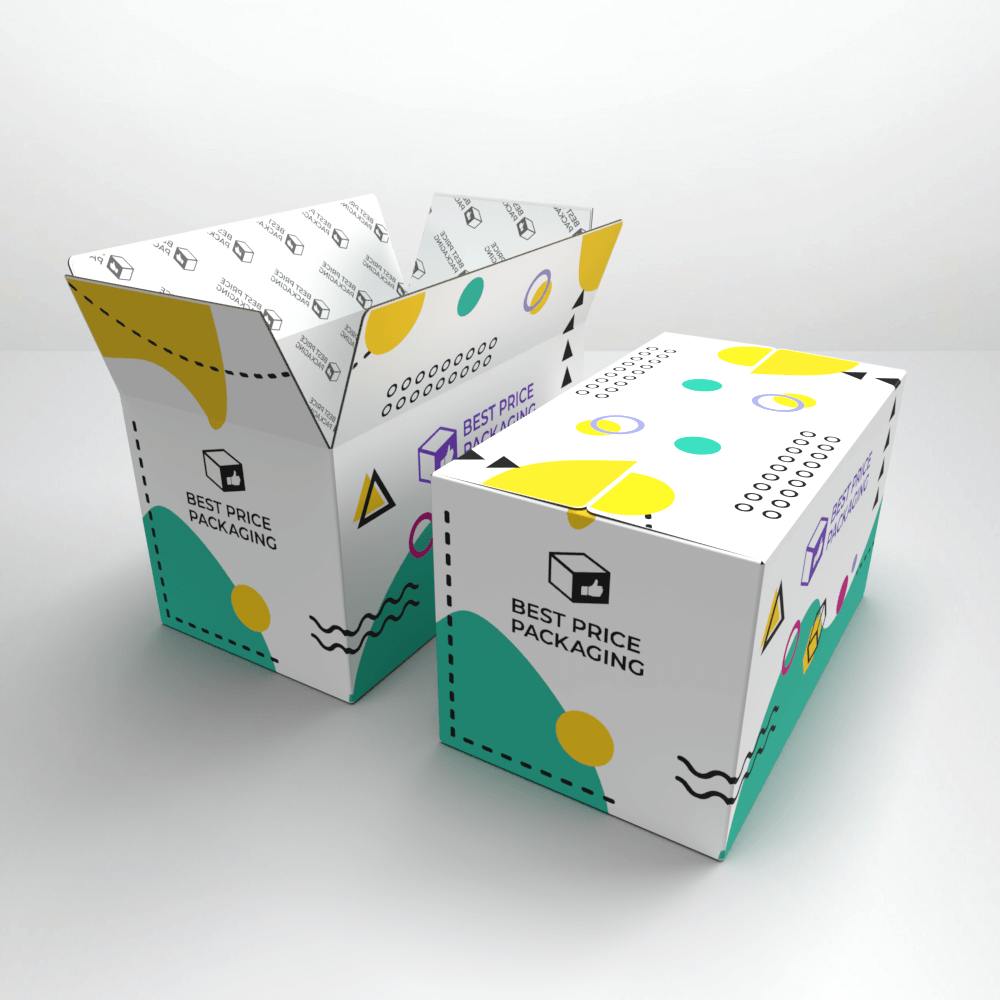
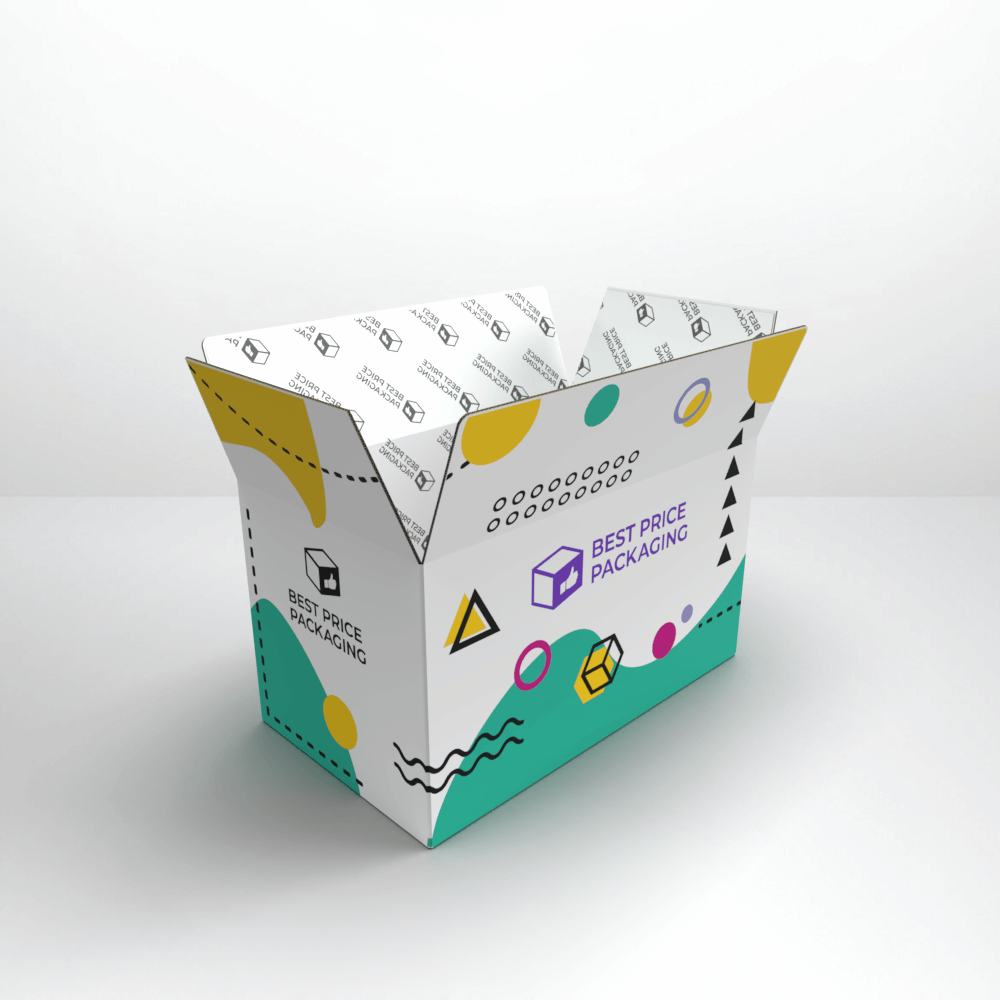
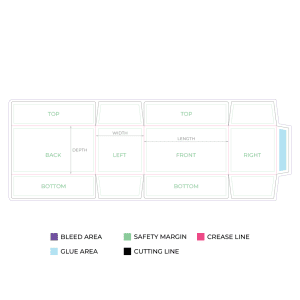
A shipper built to your product’s measurements protects it through sorting hubs and delivery trucks, wastes less filler and puts your logo on the doorstep. Our custom shipping boxes are regular slotted cartons in single-wall or double-wall corrugated, printed with your brand and graded for the weight you send. Every order gets free design support, and shipping is free.
What Is a Custom Shipping Box?
It is the taped corrugated carton that carries orders, restocks and bulk goods, made to the measurements you give and carrying your artwork. Packaging engineers call the standard version a regular slotted container, or RSC.
- Equal-length flaps: every flap is as deep as half the width, so the two long outer flaps meet edge to edge across the center of the top and the bottom.
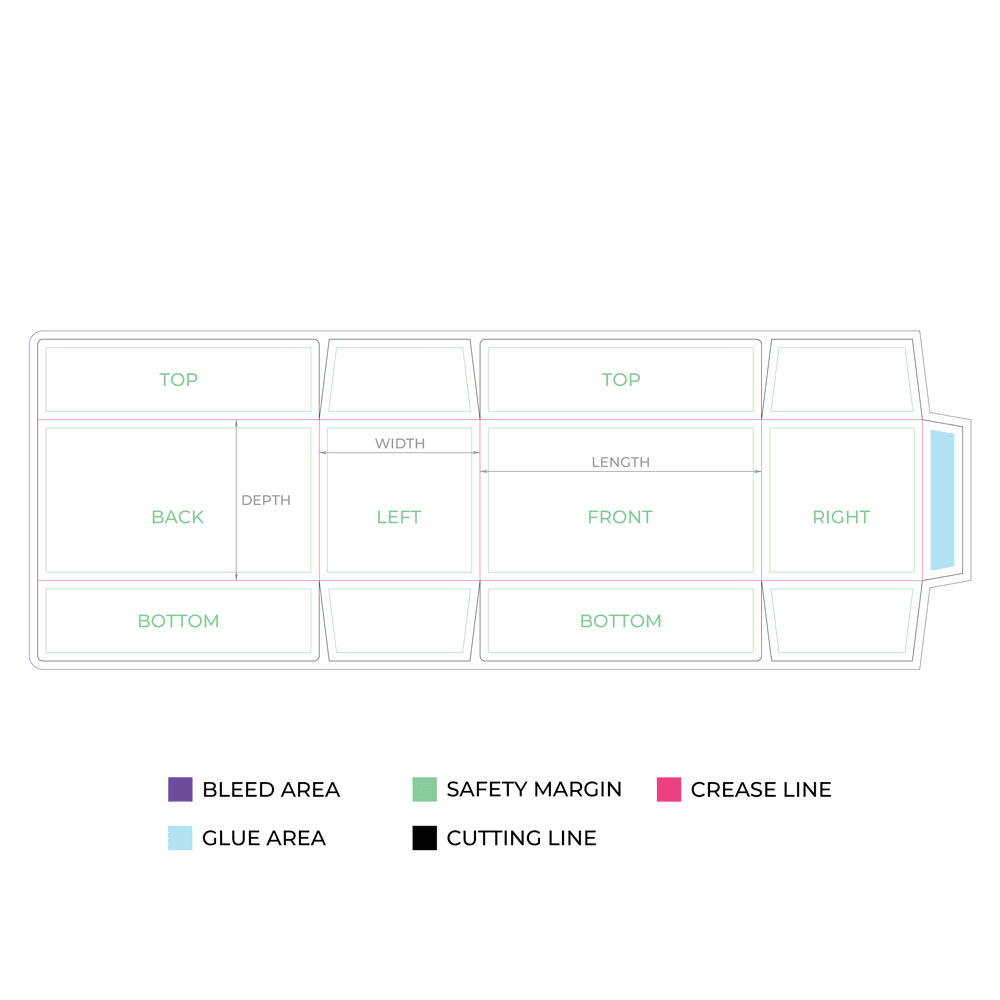
- One glued joint: a narrow tab on one wall is bonded to the opposite end at the factory, which turns the flat blank into a sleeve that opens square.
- Tape closure: a single strip along the center seam closes each end, and extra strips across the edges add hold for heavier loads.
- Flat delivery: cartons reach you folded at the joint, banded in bundles, ready to open up at the packing bench.
- Related styles: a half slotted carton drops the top flaps for a separate lid, and a full overlap carton runs its outer flaps the full width for a double layer of board on top.
Choosing Shipper Strength and Flute
The fluted middle layer of the board decides how much bump and crush a box can take. Pick it by packed weight, how fragile the contents are and whether cartons will be stacked.
| Board | Approx. thickness | Good for |
|---|---|---|
| E-flute, single wall | About 1/16 inch | Light, compact orders where a smooth face for detailed print matters more than cushioning |
| B-flute, single wall | About 1/8 inch | Most parcel orders; firm walls and good puncture resistance for everyday goods |
| C-flute, single wall | About 5/32 inch | Taller boxes and goods that stack on shelves or pallets, since the larger flute adds top-to-bottom strength |
| BC double wall | About 1/4 inch | Heavy, dense or high-value contents, long transit routes and cartons stacked several high |
Board strength is commonly given as an ECT number. In an edge crush test, a strip of board stands on its edge under a rising load until it buckles, and the result shows how well the walls resist stacking pressure. As a rough guide, 32 ECT is the everyday single-wall grade, 44 ECT is a heavier single wall, and 48 ECT and up usually means double wall. Tell us the gross weight per carton and we will propose a grade.
Sizing Custom Shipping Boxes to Cut Void Fill and Dimensional Weight
Parcel services often bill by volume rather than scale weight, so an oversized carton can cost more to send than the product inside it weighs. A snug fit also means less paper or air pillows to buy and less movement in transit.
- Measure the packed item: note its longest side, its width and its height with any inner box or wrap already on it.
- Add a small margin: about 1/4 inch per side is typical for sturdy goods; fragile items need more room for cushioning or a fitted insert.
- Send inside dimensions: list them as length by width by depth, where depth is the height of the opening; the board thickness is added on the outside.
- Check the billable weight: multiply the outside measurements and divide by your carrier’s dimensional divisor, then compare that number with the actual weight. Trimming an inch of height can move a parcel into a lower band.
Shipping a range of products? A few well-chosen sizes of custom shipping boxes usually cover a whole catalog, and we can help you group items by footprint. A food brand selling boxed noodles, for instance, can often fit its long spaghetti packaging and its shorter cartons into two case sizes.
Shipping Box or Mailer?
Custom shipping boxes in the taped RSC style are the better choice for heavy items, multi-unit orders and anything that may sit in a stack. When the order is light and the opening moment counts, a folding mailer such as our roll end tuck front boxes closes with tabs instead of tape. On tuck top mailers, the lid slides behind the front wall and leaves a smooth top edge.
Materials
Kraft Corrugated
Brown liners on both faces, the most common shipper finish. It hides scuffs from conveyors and takes one- or two-color logos well.
White-Top Corrugated
A bleached outer liner gives brighter color and crisper type. The inside can stay brown, or be white too for printed interiors.
Double-Wall Board
Two fluted layers between three liners. It is the step up for bulk packs, glassware sets, tools and anything bound for a pallet.
For a closer look at flute grades across other box styles, browse our custom corrugated boxes, or simply tell us what you ship and how heavy each carton gets.
Printing and Finishing
Printing
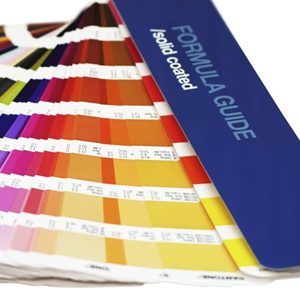
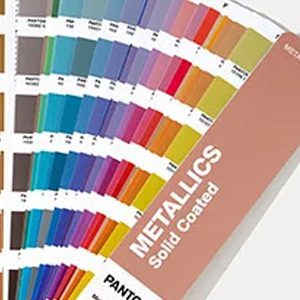
- Flexographic print: one or two solid, Pantone-matched inks pressed straight onto the liner, well suited to logos and bold text on long runs.
- Digital full color: CMYK artwork with gradients or photos printed directly on the board.
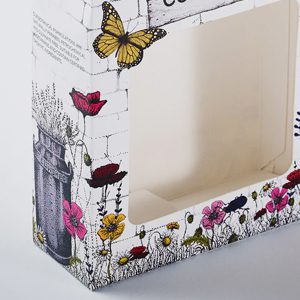
- Litho-laminated: an offset-printed sheet glued over the corrugated face for retail-grade images.
- Inside printing: a pattern, thank-you note or reorder code on the interior walls and flaps.
Finishing and Add-Ons
- Handling marks: arrows, fragile icons or keep-dry symbols printed with the design.
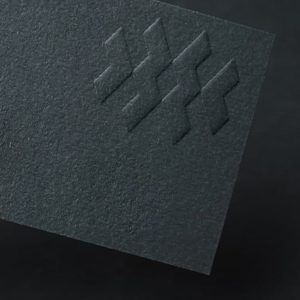
- Coatings and accents: matte or gloss lamination, spot UV, foil or embossing on litho-laminated faces.
- Inserts and partitions: corrugated dividers that keep bottles, jars or several units apart.
- Hand holes: die-cut grips on the ends of larger cartons.
Taping, Stacking and Storage
A good carton still needs sound packing. These habits help custom shipping boxes arrive square and clean.
- Tape both ends the same way: run pressure-sensitive tape along the center seam with a few inches overlapping each end panel, and add strips across the edge seams for heavy loads.
- Load heavy items low: keep the weightiest pieces at the bottom and centered so the walls carry the load evenly.
- Stack corner on corner: cartons placed squarely on top of each other keep most of their strength, while an overhang on the pallet edge weakens them.
- Keep them dry: humidity softens corrugated, so store flat bundles off the floor and away from loading-dock doors.
Who Uses Custom Shipping Boxes
- E-commerce brands: printed outer cartons for daily order fulfillment, sized around the best-selling items. A breakfast brand might size one carton to hold six mini cereal boxes per order.
- Wholesale and distribution: master cartons that carry a dozen or more retail units, such as cosmetics already packed in straight tuck end cartons, from warehouse to store.
- Bath and body brands: trays of fizzers sealed in printed bath bomb packaging travel to stockists in one divided shipper.
- Subscription programs: a repeat monthly box with the logo on the outside so subscribers spot it at once. Wellness boxes often carry tinctures and balms already packed in printed hemp packaging boxes.
- Home goods and candles: double-wall cartons with partitions for glass jars, ceramics and decor.
- Industrial and parts suppliers: heavy-duty shippers marked with part numbers and handling instructions.
How to Order Custom Shipping Boxes
- Request a quote: mention the carton’s internal size, the weight it will carry, your preferred board, the ink colors and the order volume.
- Send your artwork: vector files or 300 dpi images with bleed work best; we return a dieline for every panel, and free design support can set up the layout for you.
- Approve the proof: once the panel layout, the logo positions and the strength grade look right, sign off to start the run.
- We produce and ship: turnaround is 8 to 12 business days, and shipping is free.