
 Boxes By Industry

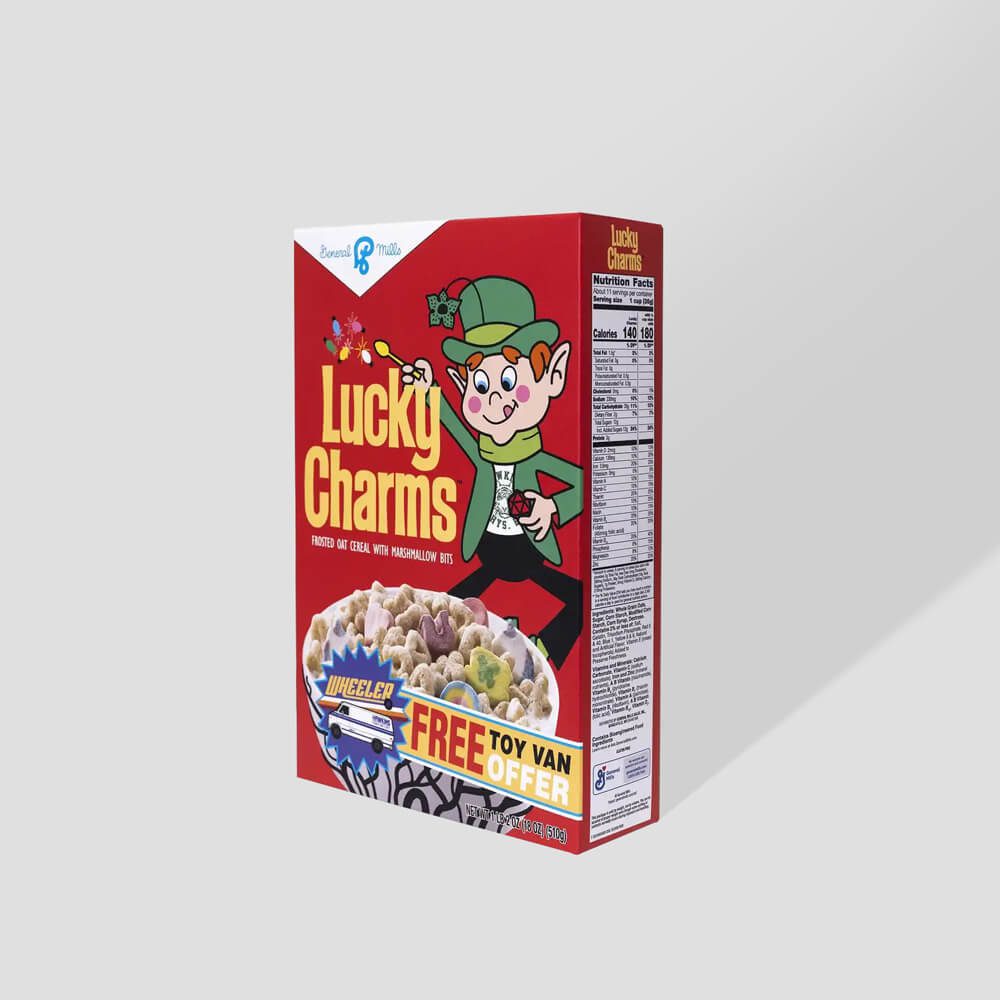
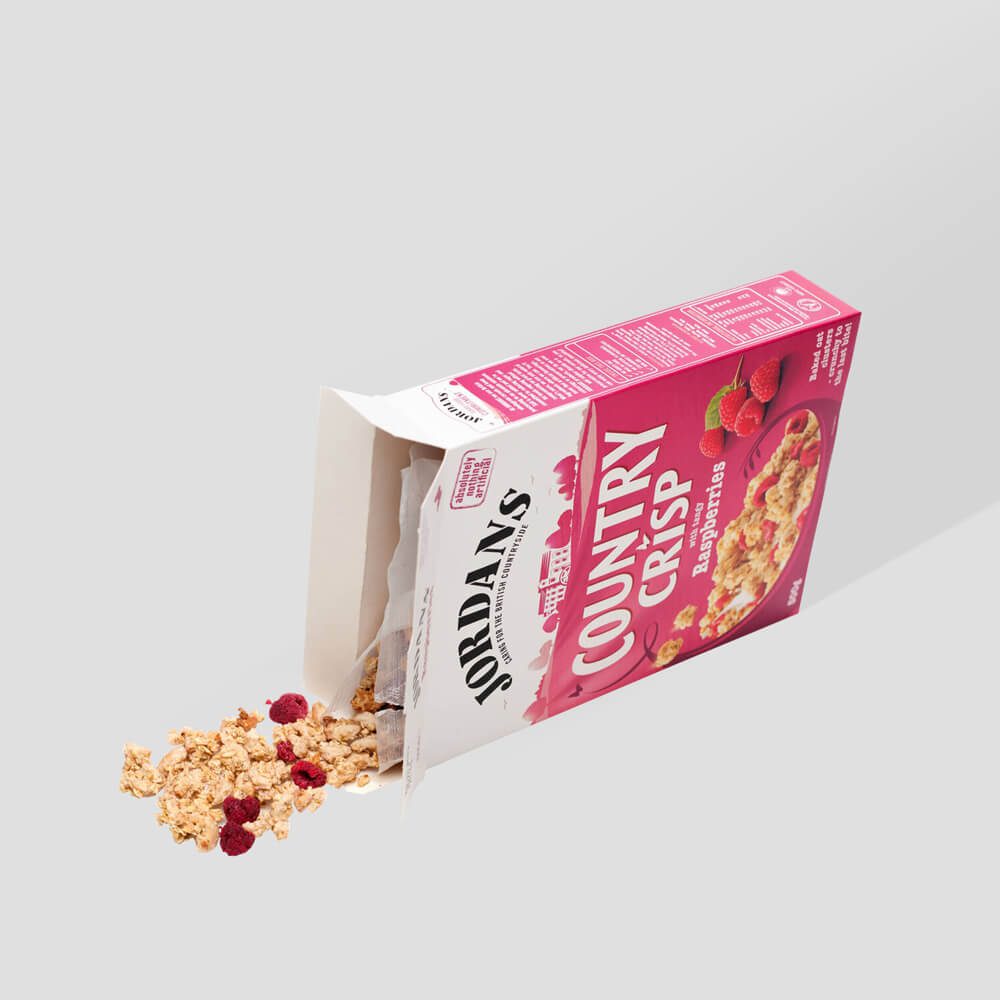
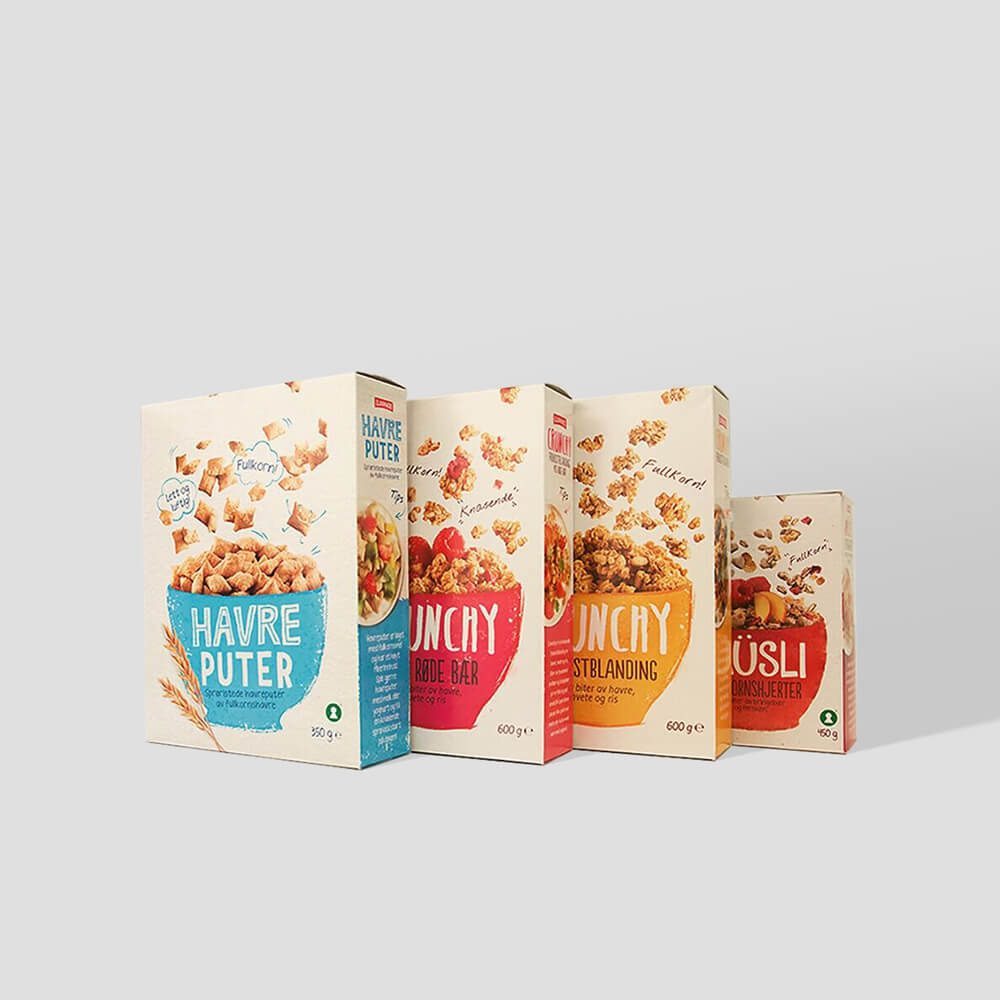
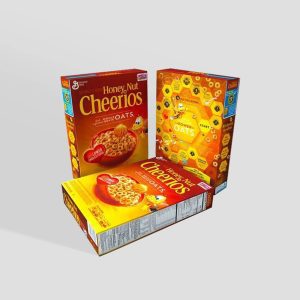
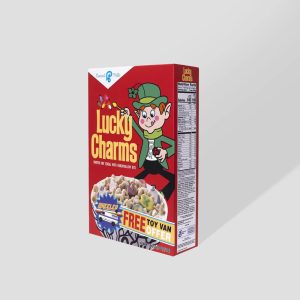
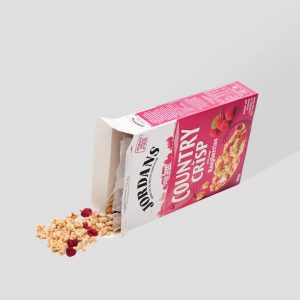
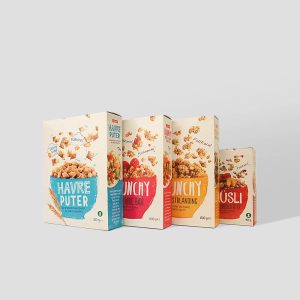
A cereal carton is read twice: once from across the aisle, and again every morning on the breakfast table, so every panel needs a job. Our custom cereal boxes are printed paperboard cartons made around your filled inner bag, from family packs and granola boxes to single-serve minis and gift boxes. Each order includes free design support and free shipping.
What Is a Custom Cereal Box?
It is a tall paperboard carton, folded from one flat die-cut blank, that gives shape and shelf presence to a bag of flakes, puffs, oats or clusters.
- Bag inside, print outside: the liner holds the cereal, while the board carries the branding and keeps the bag upright.
- Wide front, narrow sides: the broad face works as a poster, and the slim side panels hold the label text.
- Two closing styles: the top is either glued shut at filling or made as a tuck lid that the household can close after each bowl.
- Built to your fill: we work from the size of the filled bag and its net weight, not from a stock template.
- Ships flat: cartons arrive folded with the side seam glued, ready for your team or your line to erect.
Bag-in-Box: Sizing Custom Cereal Boxes Around the Liner
In a bag-in-box pack, the liner and the carton share the work. Getting the fit right keeps the box square on the shelf and stops the bag from tearing at the corners.
- Measure the filled bag: fill and seal a liner with your real product, lay it flat, then give us its width, thickness and height.
- Allow for settling: flakes and puffs drop during transport, so a carton that looks full at the plant can seem half empty at home; a sensible fill line avoids complaints about slack fill.
- Match board to weight: a light puffed cereal and a dense muesli of the same volume need different board thickness to keep the panels from bulging.
- Leave room at the fold: the sealed top of the bag needs space under the closure, or the flap will not lie flat.
Some brands also sell a refill pouch with no carton at all. For that format, our custom mylar bags page covers printed stand-up pouches.
Glued Top or Reclosable Tuck Top?
Both closures appear on cereal aisles. The choice depends on how you fill the cartons and how your buyers use them at home.
| Question | Glued top | Reclosable tuck top |
|---|---|---|
| First time the box is opened | The buyer breaks the glued flap or pulls a strip | The buyer lifts the tongue out of the slot |
| Between breakfasts | The bag is rolled down and the flap simply rests closed | The tongue goes back in and the lid stays put |
| Filling setup | High-volume lines with hot melt glue | Hand packing, small runs, or a glued base with a tucked lid |
| Good match for | Grocery cereal sold in large numbers | Granola, kids’ boxes, gift packs and craft brands |
Our page on seal end cartons goes deeper into glued closures and filling machines. If every opening should be a tuck, the build of straight tuck end boxes leaves the face clear of hinges.
Planning the Front, Back and Side Panels
Map out each panel before the artwork starts. It saves rounds of changes at the proof stage.
- Front panel: your logo, the cereal’s name, its flavor and one large photo or illustration. The net weight statement normally goes in the lower part of this panel.
- Side panels: the Nutrition Facts box, the ingredient list and the allergen statement fit here, with the barcode often on a side or the base.
- Back panel: your brand story, a recipe, a puzzle or a maze for children, or a QR code that leads to your website.
- Top and bottom flaps: keep a blank patch for the best-by date and lot code that your coder prints at filling.
- Who writes the label: you supply the nutrition values, ingredient wording and any claims, and you confirm they meet the food labeling rules for where the product is sold. We place that text exactly as you send it.
Family Packs, Granola Boxes and Mini Cereal Boxes
Breakfast products come in more pack sizes than most groceries. These are the formats we are asked for most.
- Family and standard cartons: the tall classic shape for flakes, rings and puffs, sized up or down for each net weight in a range.
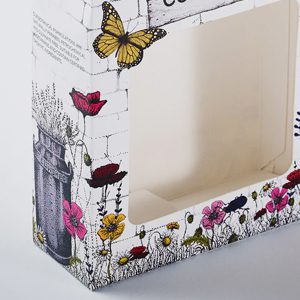
- Granola and oat boxes: often in kraft board with a film-covered window, so shoppers can see the clusters, nuts and dried fruit. Oily granola should always go into a bag first.
- Single-serve minis: small cartons holding one bowl, used for hotel breakfast buffets, school meals, office pantries and travel kits.
- Variety packs: several mini cartons gathered in a printed sleeve or tray, which works well for tasting sets of several flavors.
- Hot cereal cartons: instant oatmeal or porridge sachets packed upright in a shorter, wider box.
Kids’ Cereal Printing and Promotional Cereal Boxes
Children’s brands and gift buyers use custom cereal boxes in different ways, but both rely on bold print.
- Mascots and bright color: Pantone inks hold a character’s exact colors across every flavor, and gloss coating makes them pop.
- Games on the box: mazes, cut-out masks or trading cards on the back panel, plus inside printing for a surprise once the carton is empty.
- Personalized gift boxes: a cereal box with a name, photo or joke headline makes a fun birthday, retirement or Father’s Day present.
- Event and corporate promotions: branded boxes filled with snacks, merchandise or invitations for trade shows, product launches and team gifts.
- Empty or blank cereal boxes: plain or lightly printed cartons that party planners, schools and crafters fill with their own contents.
Materials
Pick the board by fill weight, the look you want and how far the cartons will travel.
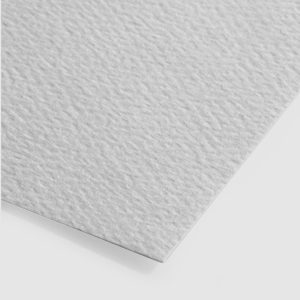
SBS Paperboard
White right through, with a bright, smooth surface. It reproduces cartoon art and food photos sharply, which suits kids’ cereals and premium boxes.
Recycled Clay-Coated Board
A coated white face over a gray recycled back. Most supermarket cereal boxes are made from board of this type, and it prints color well.
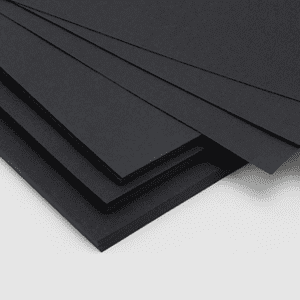
Kraft Paperboard
Unbleached brown board that gives granola, muesli and organic oats an earthy look. One or two dark inks stand out best on it.
With the net weight and the filled bag size in hand, our team can name the right board caliper for your custom cereal boxes.
Printing and Finishing
Ink can run across the four walls, the end flaps and even the inner faces of the carton.
Printing
- CMYK process color: full-bleed bowl shots, landscapes and illustrated scenes.
- Pantone spot colors: a mascot or logo kept to the same shade on every carton.
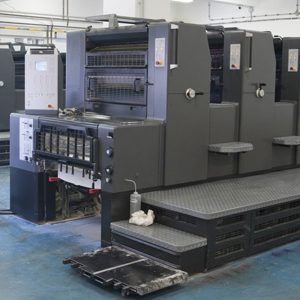
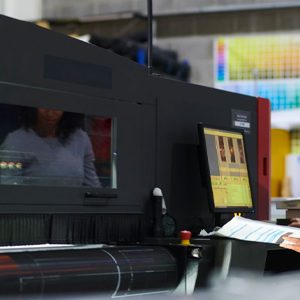
- Offset or digital press: offset for big flavor runs, digital for launches and seasonal editions.
- Inside print: games, recipes or a thank-you message revealed when the box is flattened.
Finishing
- Gloss or matte coating: guards the colors against rubbing in cases and on shelves.
- Soft touch coating: a smooth, slightly rubbery hand that suits premium granola and gift editions.
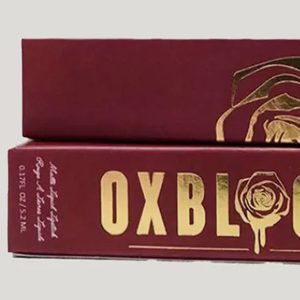
- Spot UV and foil: a shiny logo, flavor name or burst graphic on the front.
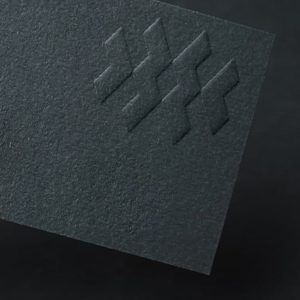
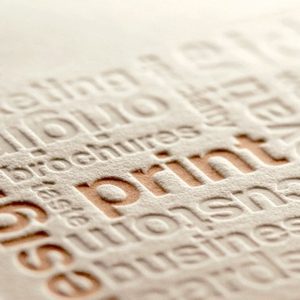
- Embossing: a raised brand name or mascot outline you can feel.
Who Orders Custom Cereal Boxes
- Cereal and granola brands: matching retail cartons for each flavor. Store orders travel in cases of 12 or 24, often packed in printed corrugated boxes.
- Online and subscription sellers: breakfast boxes posted to homes every month. For outer cartons sized to a few cereal boxes, see our custom shipping boxes.
- Hotels, schools and caterers: single-serve minis printed with the venue’s own name.
- Bakeries and cafes: house granola sold at the counter alongside the rest of their custom food packaging.
- Gift shops and event planners: personalized boxes for birthdays, weddings and corporate events.
How to Order Custom Cereal Boxes
- Request a quote: tell us the format, the filled bag size or carton size, the net weight, the closure style and the quantity.
- Send your artwork: place your design and label text on our dieline, or let our free design support lay out each panel for you.
- Approve the proof: check the panel order, the barcode, the date code area and the spelling of every label line.
- We produce and ship: turnaround is 8 to 12 business days, and shipping is free.